

Mold Testing and Removal
Mold Removal and Remediation in Chicago
Mold can trigger allergy and asthma symptoms in the people who live or work around it, and it keeps spreading as long as moisture feeds it. Restore Construction handles mold removal for homes and businesses across Chicago and its suburbs, and our crews dry out the wet materials it grew on.
- Mold Testing
- Mold Removal
- Moisture Detection and Drying
- Repairs After Removal
Restore Construction’s Credentials
Restore Construction’s License, Insurance, and BBB Rating
Restore Construction carries a license, bond, and insurance, and the Better Business Bureau rates us A+, so you can look up our record before any work begins.

IICRC Certified Firm

BBB A+ Rating
RIA Member

Best Fire Damage Restoration in Chicago

IREM Chicago Chapter
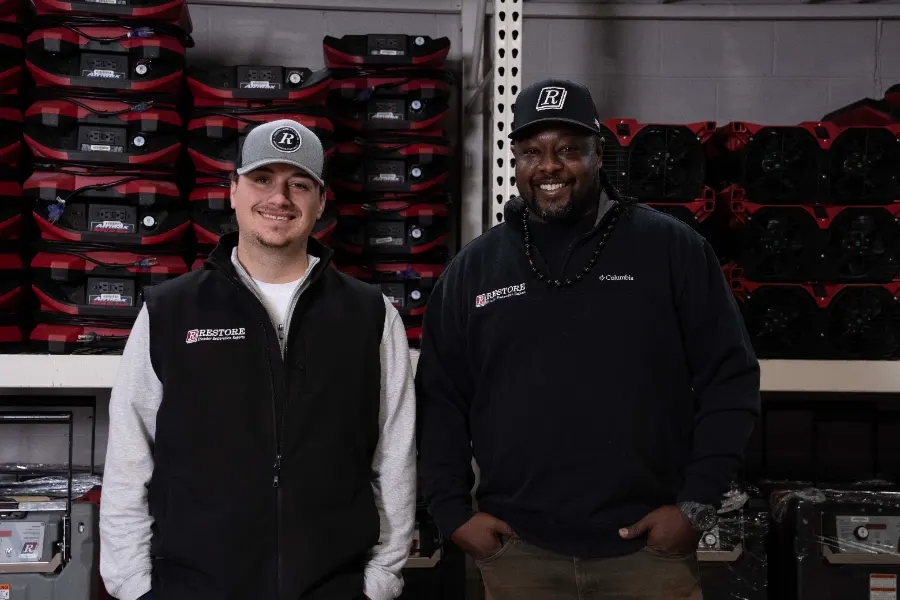
Mold Removal and Remediation
Mold Removal That Starts With the Moisture
Painting over mold or scrubbing a stain without stopping the moisture only hides it, because mold keeps growing while moisture reaches it. We handle removing the growth and repairing what it damaged, and our crews dry the area it grew in.
We’ll also tell you plainly what remediation can and can’t do. Mold spores are in all indoor and outdoor air, so no one can remove every spore, and remediation aims to bring the levels in your property back to a normal range.
How It Works
What to Expect From Our Mold Remediation
A mold job has four stages, and the first is finding the moisture that feeds the growth, since that tells us how far the damage reaches and what has to come out. We explain what we find before any removal starts, so you know the scope going in.
We inspect the growth and moisture
We look at the mold and check the nearby walls and floors for hidden moisture, then show you how far the growth and the dampness appear to reach.
We contain the work area
When the job calls for it, we set up containment and air filtration, so disturbed mold is less likely to spread to the rest of the building.
We remove the damaged materials
We handle removing moldy drywall, insulation, and other porous materials and cleaning the hard surfaces, and our crews dry the area, so less mold stays in the building.
We repair the space
Once the area is dry and the leak has stopped, we manage the repairs to what we removed, so the room returns to everyday use.
Common Causes
Where Does Mold Usually Grow in Chicago-Area Buildings?
Mold needs moisture to grow, and in Chicago-area buildings the water usually traces back to a few sources, including hidden plumbing leaks, flooded basements, ice dams, humid summers, and winter condensation. Finding the source matters as much as the removal, because mold tends to return wherever the moisture remains.
Slow Leaks Behind Walls
A dripping pipe or fitting inside a wall can stay hidden for months, keeping the drywall and framing damp enough for mold to grow.
Basements After a Flood
When a flooded basement stays damp after the water is gone, mold can grow in the drywall, carpet, and boxes weeks or months later.
Attics After Ice Dams
Water from an ice dam or a leaking roof soaks attic insulation and the tops of walls, where it stays damp long after the snow melts.
High Indoor Humidity
Humid air in basements and closed-up rooms keeps walls, floors, and stored items damp enough for mold to grow, even without a leak.
Poorly Vented Bathrooms
Steam with nowhere to go condenses on bathroom ceilings, walls, and attic roof sheathing, where it slowly feeds mold over time.
Window Condensation in Winter
Cold glass collects condensation all winter, and the water that runs down soaks into the sills, the drywall, and the wall below.
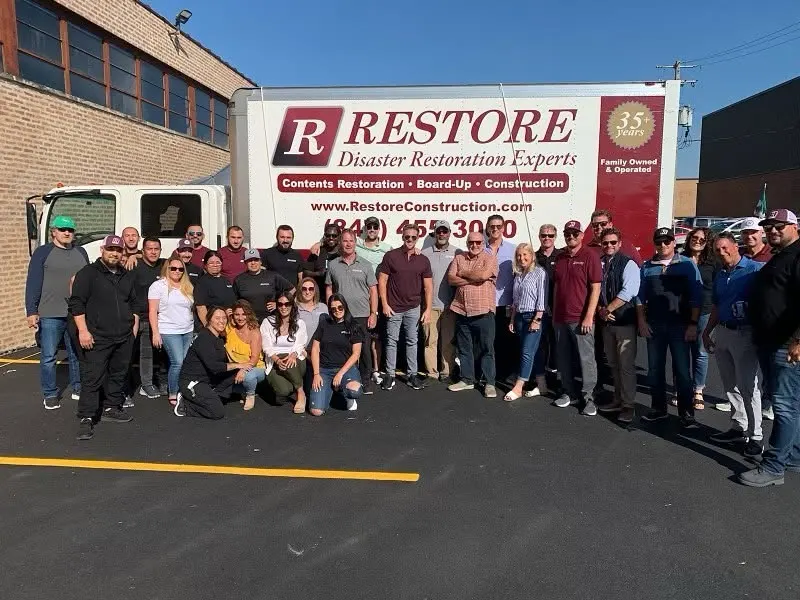
Family Operated Since 1983
Our Story
Restore Construction has been family operated since Patrick L. Santoro founded it in 1983, and his sons, Patrick M. and Michael, now help lead it alongside him, with the added resources of American Restoration behind the business.
For decades, drying out water damage has been a core part of what we do, and the moisture left behind is the root of most mold problems. Our crews find hidden dampness with thermal imaging and moisture meters and dry it out before it can feed more growth.
That experience is why our mold jobs start with finding the moisture behind the growth, not only the mold you can see.
Found Mold? Let’s Find the Source
Tell us where you’re seeing mold or noticing a musty smell, and we’ll arrange a visit to look at the growth, check the surrounding areas for moisture, and walk you through what the removal would involve.
Services
Restoration Services Related to Mold
Mold is usually the visible end of a moisture problem, so the job often brings in drying, contents care, and repairs as well.
Our specialty
Fire and Smoke Damage Restoration
Our crews dry the firefighting water out of the framing around the burned rooms while we manage the rebuild, so new walls don’t go up over wet wood.
Emergency Board-Up and Securing
We cover the openings a fire or storm leaves, so the building takes on less rain that would keep its walls damp for weeks afterward.
Board-Up and Securing →Water Damage Restoration
Our crews remove the water and dry floors, walls, and cabinets quickly, so mold has much less chance to take hold after a leak.
Water Damage Restoration →Contents Cleaning and Storage
We sort belongings from moldy rooms and pack up the unaffected ones, so they’re out of the work area before the mold removal begins.
Contents Cleaning →Reconstruction and Repairs
We put new walls and floors in after mold removal and can work in changes while they’re open, so the repairs can be an upgrade too.
Reconstruction →Insurance Claim Management
Our estimators price the mold and moisture repairs in detail, so a claim, if you file one, starts with a clear estimate of the work.
Insurance Claims →Storm Damage Restoration
We replace attic insulation a storm leak soaked while we handle the roof, so the space heads into winter with less trapped moisture.
Storm Damage Restoration →Biohazard and Trauma Cleanup
We handle biohazard or trauma cleanup, so when your policy covers it, you can let us bill your insurance company directly.
Biohazard Cleanup →Reviews
Reviews From Our Customers Across Chicagoland


Service Area
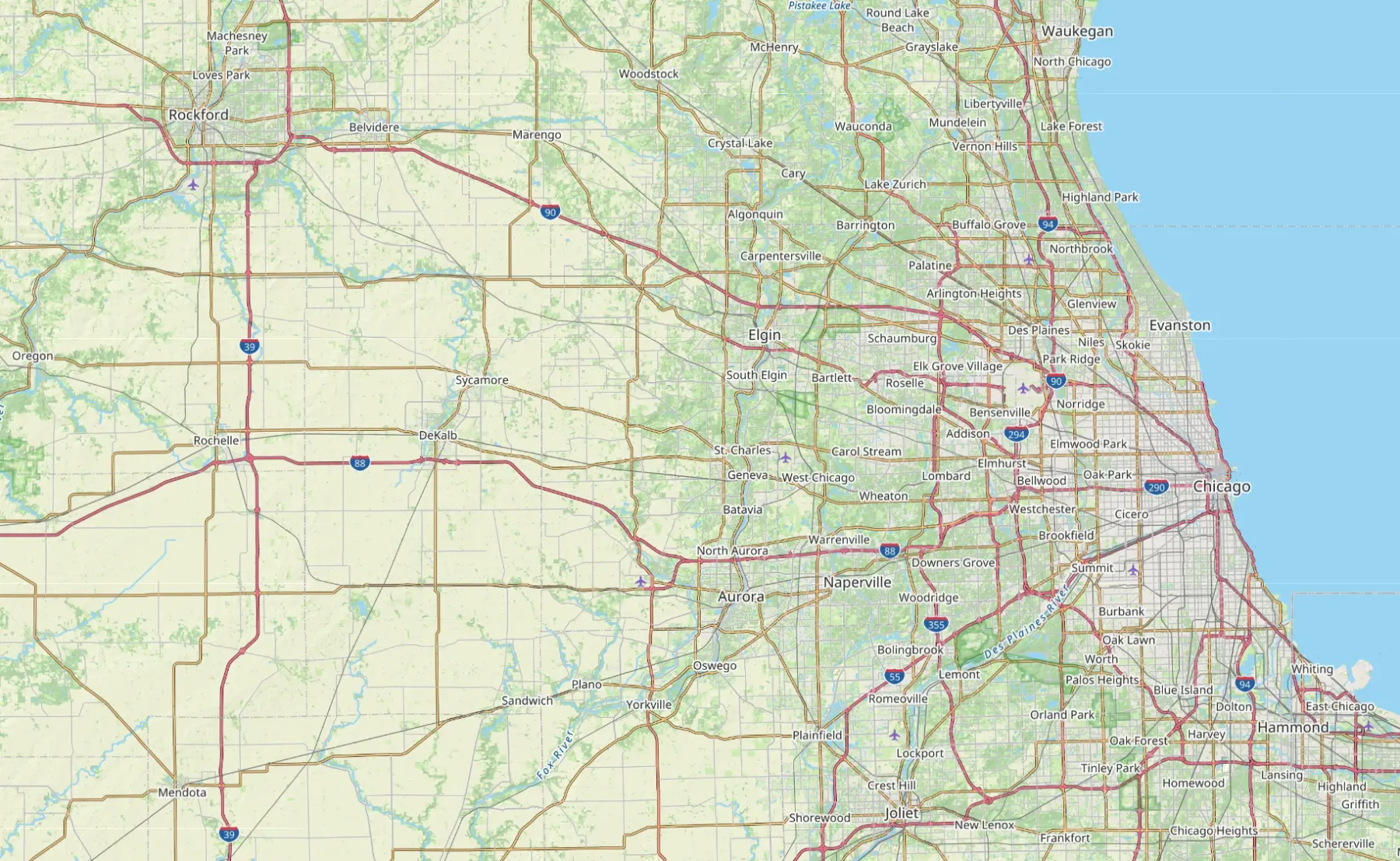
Mold Remediation Across Chicago’s City and Suburbs
We schedule mold inspections and removal for homes, condos, and commercial buildings across the city and suburbs.
Restore Construction
2035 N 15th Ave, Melrose Park, IL 60160 · Open 24/7
Communities we serve most
- Chicago
- Melrose Park
- Oak Park
- Elmhurst
- Maywood
- Cicero
- Park Ridge
- Schaumburg
- Naperville
- Oak Lawn
- Orland Park
- Joliet
Mold Remediation FAQs
Chicago Mold Removal and Remediation FAQs
Do I need mold testing before you remove it?

Usually not, if you can see the mold. Testing helps when the mold is hidden or you want to know what it is, and we can arrange sampling that a lab then analyzes.
Can mold in my home make my family sick?
It can. Mold can cause a stuffy nose, coughing, or itchy eyes, and people with asthma or allergies can react more severely. We can’t diagnose health problems, so talk to your doctor, and we’ll focus on removing the growth.
Is black mold more dangerous than other mold?
Color alone can’t tell you. Only lab analysis can identify the type, and any mold growing indoors should come out, whatever its color. We handle the removal with the same care either way.
What should I do if I smell something musty but can’t see any mold?
Have it checked, because a musty smell can mean moisture and mold somewhere you can’t see. Don’t pull off wallpaper or paneling yourself, since that can spread spores, and keep an eye on any stains or soft spots that show up.
Can I clean up mold myself?
In most cases, yes, if the patch is smaller than about 10 square feet, sits on a hard surface, and you’ve fixed the moisture behind it. Wear gloves, goggles, and an N95 mask, and never mix bleach with other cleaners. For larger areas or mold inside walls, we handle the removal.
How long does mold remediation take?
Most projects take a few days to over a week. It depends on how far the growth has spread and what has to come out, and the repairs follow. We give you a timeline for your job once we’ve seen the mold.
My basement flooded months ago and now there’s mold. Can you still help?
Yes. Late mold usually means something stayed damp, like the drywall, the carpet, or the framing behind them. We find where the moisture remains, handle the mold removal, and manage replacing what has to come out.
Not An Emergency?
Tell Us About Your Disaster
Tell us which room you’re seeing mold in or smelling something musty, and a project coordinator will contact you to set up a visit.
Water still coming in?
Our crews can get the water out and start drying before the mold work begins.
We answer 24 hours a day, 365 days a year.
Tell us about your situation.
We will call you back the same day during business hours.